Every creed and confession answered a real question of its day: Who is Jesus? How are his divinity and humanity related? How are we saved? Read in order, from second-century baptismal confession to the Westminster Assembly, alongside the site's History of Theology.
-
 The Apostles' CreedThe starting point, grown from Rome's second-century baptismal questions. Notice its Trinitarian shape: every later creed builds on it.About this book →
 -
 The Nicene CreedThe first great question: is the Son truly God? Against Arius the church confessed him "of one substance with the Father" — notice the precision of every phrase.About this book →
 -
 The Chalcedonian DefinitionThe next question: how are true God and true man one person? The four "withouts" have marked the boundaries of Christology ever since.About this book →
 -
 The Augsburg ConfessionA millennium later the Reformation asked how sinners are justified before God. Note how this first Protestant confession insists on its continuity with the ancient creeds.About this book →
 -
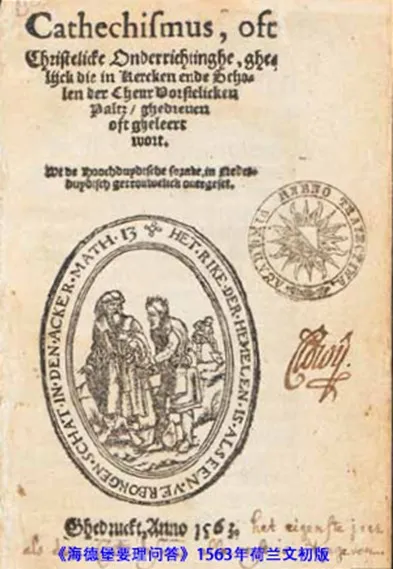 The Heidelberg CatechismThe warmest Reformed catechism. Its first question — "What is your only comfort in life and in death?" — frames all doctrine as guilt, grace and gratitude.About this book →
 -
 Westminster Confession of FaithThe summit of the Reformed confessions. Its chapters on the Trinity and on Christ echo the ancient creeds you have just read — standing on the shoulders of the church before it.About this book →