💬 Famous Quotes
📋 Basic Information
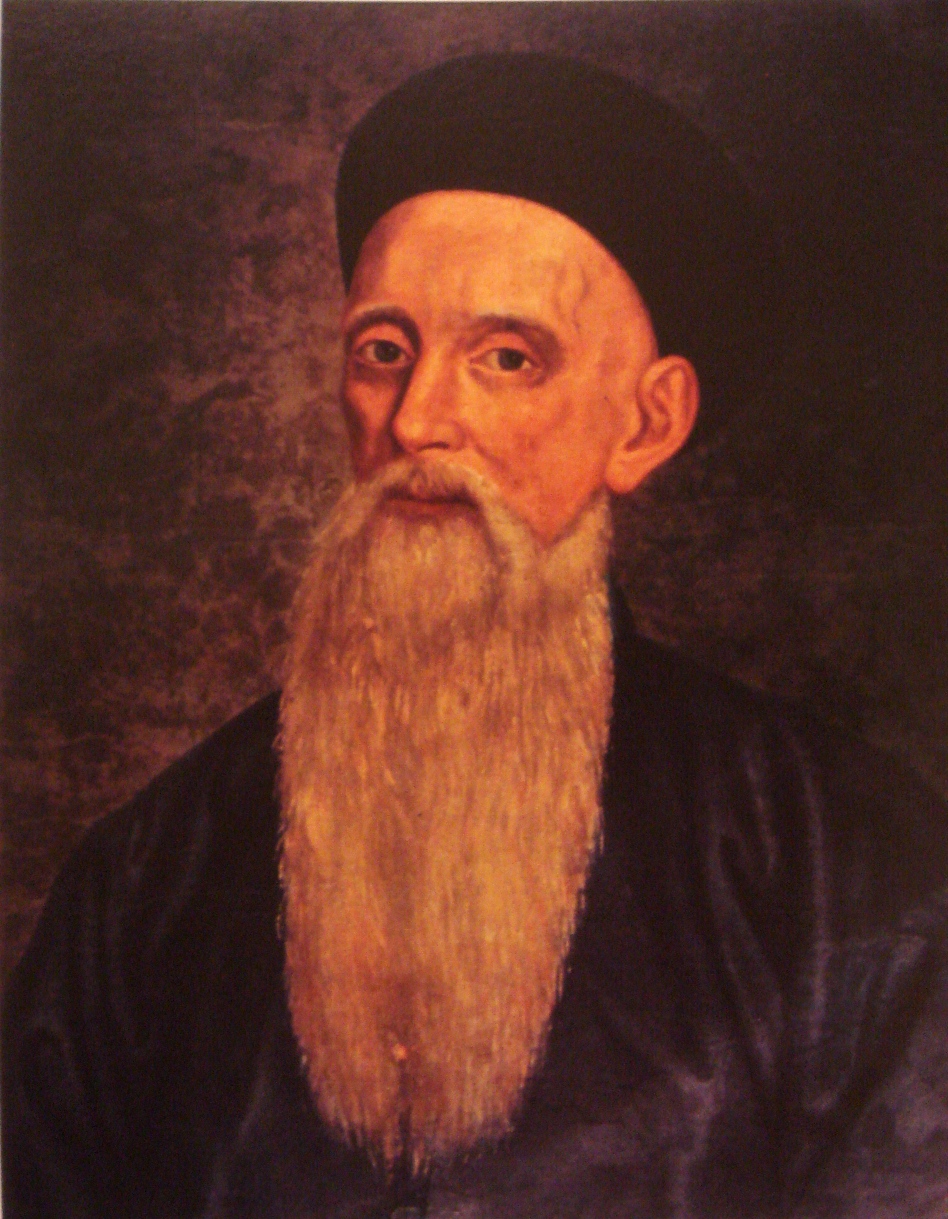
📖 Biography
Entering the Society and Ordination
Jean Joseph Marie Amiot was born in 1718 in Toulon, France, into the family of a naval officer. He joined the Society of Jesus in 1737 and was ordained a priest in 1746. In 1750 he sailed from Lorient for China and reached Beijing in 1751. From then on he never left Beijing, serving the Qianlong Emperor and his inner court for forty-two years in all.
At the Qianlong Court
Under Qianlong he served as one of the Western priests employed at court. He was proficient in Manchu, Chinese and Tibetan as well as several European languages. He continually compiled and sent to Europe, especially to the Paris Academy of Sciences and the Royal Library, a large quantity of Chinese classics, maps, works on military strategy, musical scores, and Manchu and Mongolian texts. The manuscripts he sent back to France were collected and published by the minister Henri Bertin, forming the sixteen large volumes of the Mémoires concernant les Chinois (1776-1814), the most authoritative collection through which 18th-century Europe came to know China.
Writings on Music
He was himself a scholar of music and wrote the Mémoire sur la musique des Chinois (1779), the first systematic introduction for Europe to Chinese court ritual music and instruments, and an early document of Western ethnomusicology. He completed French translations of the Art of War of Sunzi and of Wuzi (Art Militaire des Chinois, 1772), the first Western translation of Chinese military classics in Europe, which deeply influenced French military circles.
Major Sinological Works
He also compiled a Manchu-French dictionary, the Dictionnaire Tatare-Mantchou-François (published in Paris in 1789–1790), a foundational work of Manchu studies in Europe. In 1773 the Holy See suppressed the Society of Jesus, and the Jesuit community in Beijing was thrown into turmoil, but he chose to stay in Beijing and continue his scholarly writing. When the British Macartney Embassy visited China in 1793, he was already 75, yet he was still a key intermediary between the Qing court and the Western envoys. In October of the same year he died of illness in Beijing and was buried in the Zhengfu Si Catholic cemetery.