💬 Famous Quotes
📋 Basic Information
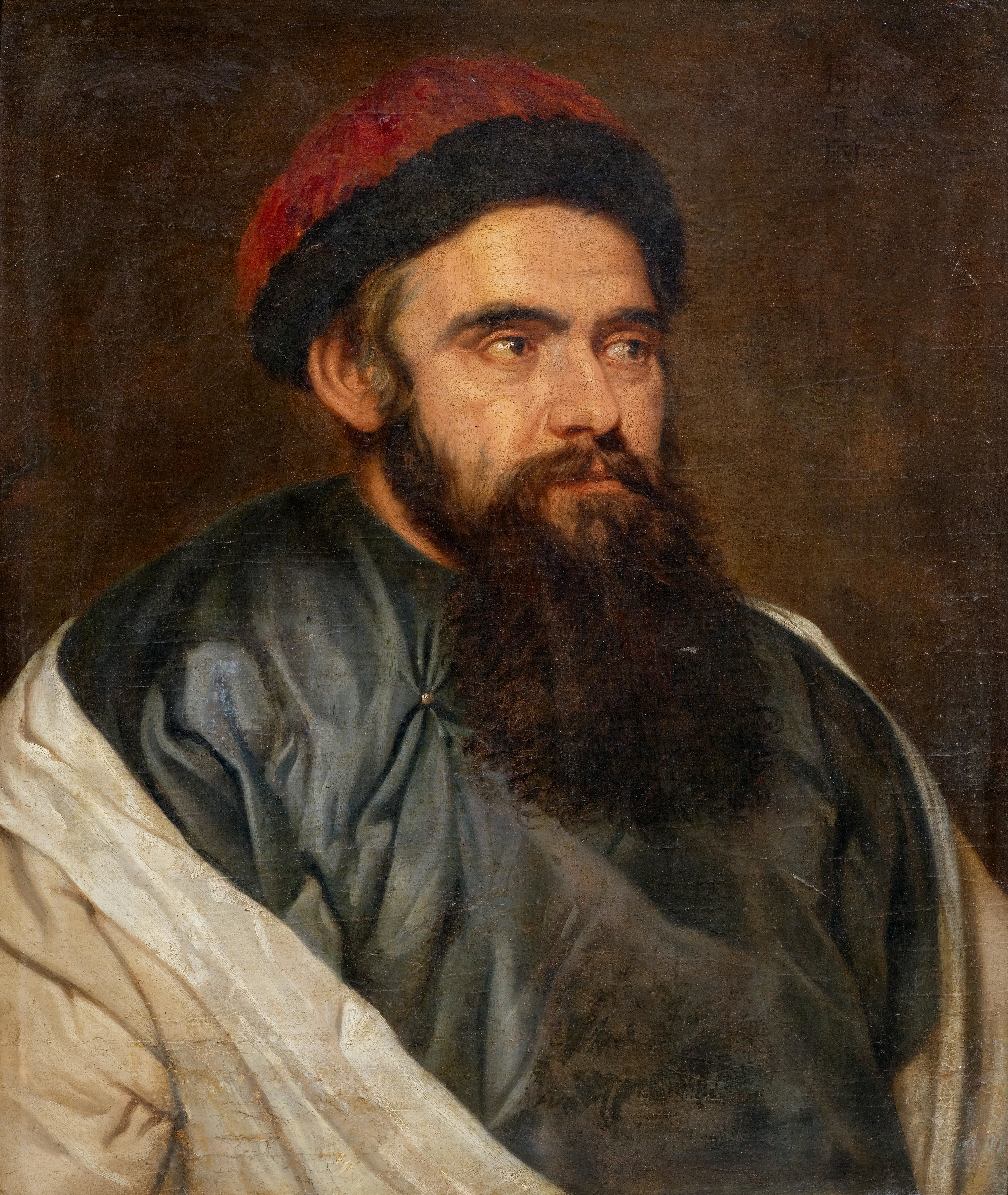
📖 Biography
Entering the Society and Coming to China
Martino Martini was born in 1614 into an Italian-speaking family in Trento, Tyrol, in the Holy Roman Empire. In 1632 he joined the Society of Jesus, and in Rome he studied mathematics, astronomy and geography under the Jesuit mathematician Athanasius Kircher. After his ordination as a priest in 1639, he sailed from Lisbon for China in 1640, travelling by way of Goa and Manila, and reached Hangzhou in 1643. He then began preaching and conducting surveys in Zhejiang, Nanjing and Fujian.
At the Change of Dynasties
During the transition from Ming to Qing, Martini was active in the anti-Qing strongholds of eastern Zhejiang. Out of concern for the safety of the Christians, he at one point gave his allegiance to the Southern Ming and then turned to serve the Qing court, which was controversial; but his scholarly contributions made a great impression in Europe. In 1651 he was sent back to Europe to represent the Jesuits in China before the Holy See in the Chinese Rites Controversy, arguing that the veneration of ancestors and of Confucius should be accepted as social custom rather than religion. During his stay in Europe he completed three works that shaped European sinology: in 1654 he published De Bello Tartarico Historia in Antwerp, the first detailed account in a European language of the change from Ming to Qing; in 1655 he published the Novus Atlas Sinensis in Amsterdam, Europe's first complete atlas of China organised by province, with detailed descriptions of geography, customs and products; and in 1658 he published Sinicae Historiae Decas Prima, which presented China's ancient history to European readers in chronological order.
Rest in Hangzhou
In 1657 he set out again for China and reached Hangzhou in 1659, where he led the Jesuit Zhejiang mission and local scholarly work. In 1661 he died of cholera in Hangzhou and was buried in what is now the Jesuit Fathers' Catholic cemetery at Dafangjing, Hangzhou. Ranked alongside Matteo Ricci, Johann Adam Schall von Bell and Ferdinand Verbiest, he was a key scholarly bridge between China and Europe in the 17th century, and his works remain important sources for the history and geography of the Ming and Qing.