💬 Famous Quotes
📋 Basic Information
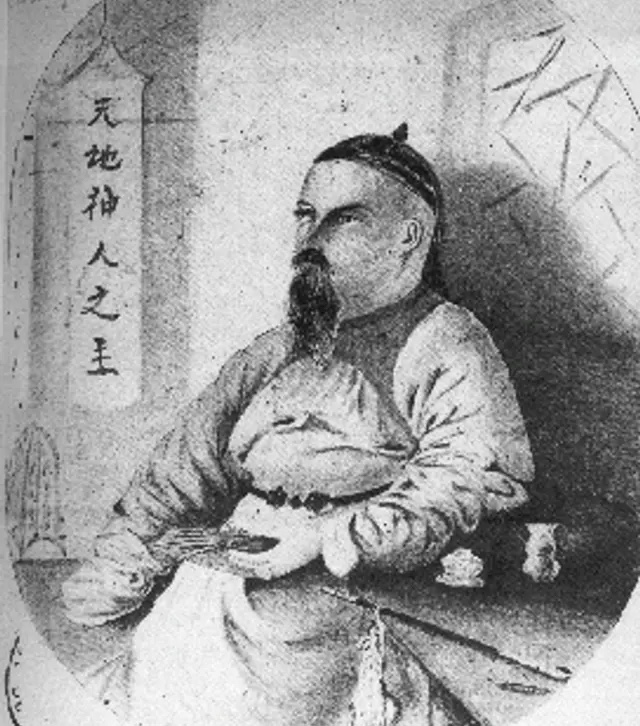
📖 Biography
From Toulouse to Beijing
Évariste Régis Huc (古伯察) was born in 1813 in Caylus, in the department of Tarn-et-Garonne, France. He completed his theological training in Toulouse, joined the Catholic Congregation of the Mission (also called the Lazarists) in 1836, and three years later reached Beijing via Macau. The Vicar Apostolic of Northern Zhili at the time, Martial Mouly (孟振生) (Zhili roughly corresponds to today's Hebei and Liaoning), had an idea: to send Huc and his fellow Lazarist Joseph Gabet (秦噶哔) to Mongolia and Tibet to learn about the customs and culture of those regions. This was not an ordinary preaching assignment; it was closer to a field investigation into the unknown.
Learning Mongolian First
They did not set out rashly. For several years the two devoted themselves to studying Mongolian dialects, and only in 1844 did they formally set out for Mongolia. They preached there, then continued west and reached Kumbum Monastery (塔尔寺) in Gansu (now Qinghai), the well-known Tibetan Buddhist monastery. At Kumbum they studied Tibetan; later the two also translated the Mongolian version of the Sutra of Forty-two Sections into French and published it (1850). For members of a Catholic order, translating a Buddhist scripture was an unusual step; but their assignment had included the task of "understanding" from the start.
A Month in Lhasa
In January 1846 the two reached Lhasa, the capital of Tibet, which very few Westerners were able to reach at the time. The Tibetans welcomed them. Their stay, however, was short: by the end of February the Qing Amban (imperial resident) in Tibet ordered them to leave. They then travelled south and east, reaching Guangzhou (Canton) in September of the same year. Huc later returned to Paris because of poor health.
Souvenirs d'un voyage dans la Tartarie et le Thibet
After returning to France, he wrote up this journey across Mongolia, Qinghai and Tibet as Souvenirs d'un voyage dans la Tartarie et le Thibet. The book was widely popular in Europe for a time and became one of the most important works through which the 19th-century West came to know the Mongolian and Tibetan regions. His descriptions of grasslands, monasteries, caravans, living Buddhas and officials were the most direct accounts available to European readers of the day. He also wrote L'Empire chinois. He died in Paris in 1860, at only forty-six.
About His Companion
His travelling companion Joseph Gabet (1808–1853) appears in Chinese sources under other spellings as well, such as Qin Gahua (秦噶华), and these vary from place to place. The journey to Mongolia and Tibet was carried out by the two together; Huc became known to later generations because he wrote this book, while Gabet's name is often left out. This entry notes it here so that readers do not take it to have been a solo journey.