💬 Famous Quotes
📋 Basic Information
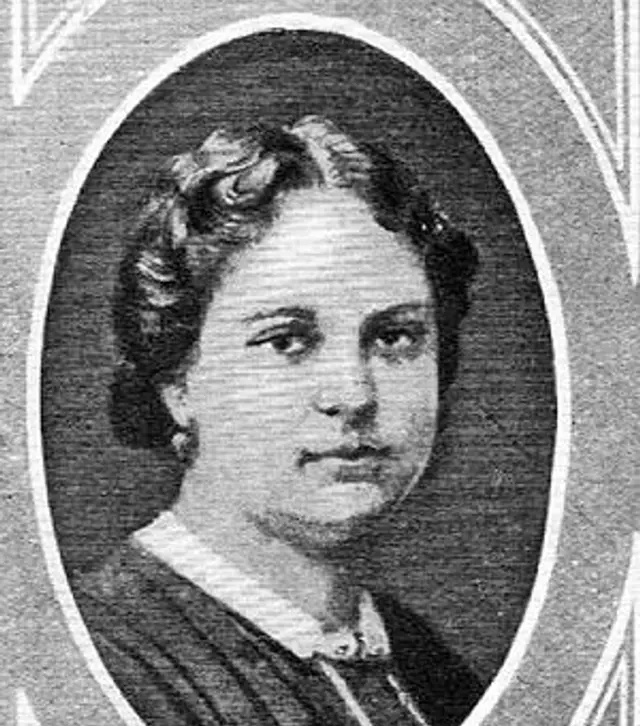
📖 Biography
Two Girls at the Saturday Prayer Meeting
Little is known of the childhood and youth of Emily Blatchley. In January 1865 she accompanied her closest friend, Jennie Faulding, to the Saturday prayer meeting held by Hudson Taylor at the China Inland Mission headquarters on Coborn Street in the East End of London. Those meetings, together with Hudson Taylor's China's Spiritual Need and Claims, moved the two girls deeply. By July of that year she had finished her studies at the Home and Colonial Training College on Gray's Inn Road and was about to begin work as a teacher under a lady; when the Taylor family invited her to become Hudson Taylor's private secretary and governess to his children, she was released from her existing engagement and joined the China Inland Mission. In London she and the Faulding family worshipped together at Regent's Park Chapel, and Hudson Taylor sometimes went with them.
An Inseparable Pair
At first she was not given permission to go, and she wrote to Hudson Taylor: "Dear Mr. Taylor, sorrow is nothing new to me; it will not crush me or leave me at a loss." In the end she was placed on the list of those sailing on the Lammermuir in May 1866. Before departure, Regent's Park Chapel and several other churches held a farewell meeting for her and Jennie Faulding, the two having always been regarded as an inseparable pair. After arriving in China she changed into Chinese dress and lived with the Taylor family.
Yangzhou
At the end of May 1868, the Taylor party, including Emily Blatchley, the nurse Annie Bohannan and Chinese helpers, left Suzhou. They lived on boats for the next two months before finally settling in Yangzhou. It was not a treaty city, and foreigners had no guaranteed right of residence there; Hudson Taylor relied on the most-favoured-nation clause. Soon after their arrival the Yangzhou riot broke out, and a mob besieged the missionaries' house. Emily Blatchley went through this danger herself.
All-Night Watch
Her role went far beyond the word "secretary". Once, when Hudson Taylor was brought in for treatment after opium poisoning, she and Jennie Faulding took turns all night holding him up and walking him back and forth, giving him stimulants and slapping him to keep him awake. She had lost her mother as a child; perhaps because she was an orphan, her affection for the Taylor family ran especially deep, and she especially treasured the happiness of being part of that family. George Stott (曹雅直), a fellow worker in the China Inland Mission, once proposed to her, and she declined. Not long afterwards, with her elder brother dying of tuberculosis and a relationship that came to nothing, she for a time neither ate nor slept; she was fragile in body and in emotions. After she recovered, she did all she could to fill Maria's place in the family.
Thirty-Two Years Old
In July 1870 Maria Taylor died shortly after giving birth. In November of the same year, Hudson Taylor's mother wrote that a doctor had examined Emily Blatchley's lungs and that there was "no hope": her tuberculosis was at an advanced stage. Hudson Taylor wrote in reply: "For a few minutes my heart was almost crushed." Was Emily Blatchley to be taken too? At that time she was in England caring for the Taylor children, while also managing the China Inland Mission's affairs in London, which had been Maria's dying wish. On 26 July 1874 she died in London, only thirty-two years old. She spent only four years in China, and the following four years in England holding together a family that had lost its mother; neither period is the kind of achievement an ordinary "missionary" record would note down.