💬 Famous Quotes
📋 Basic Information
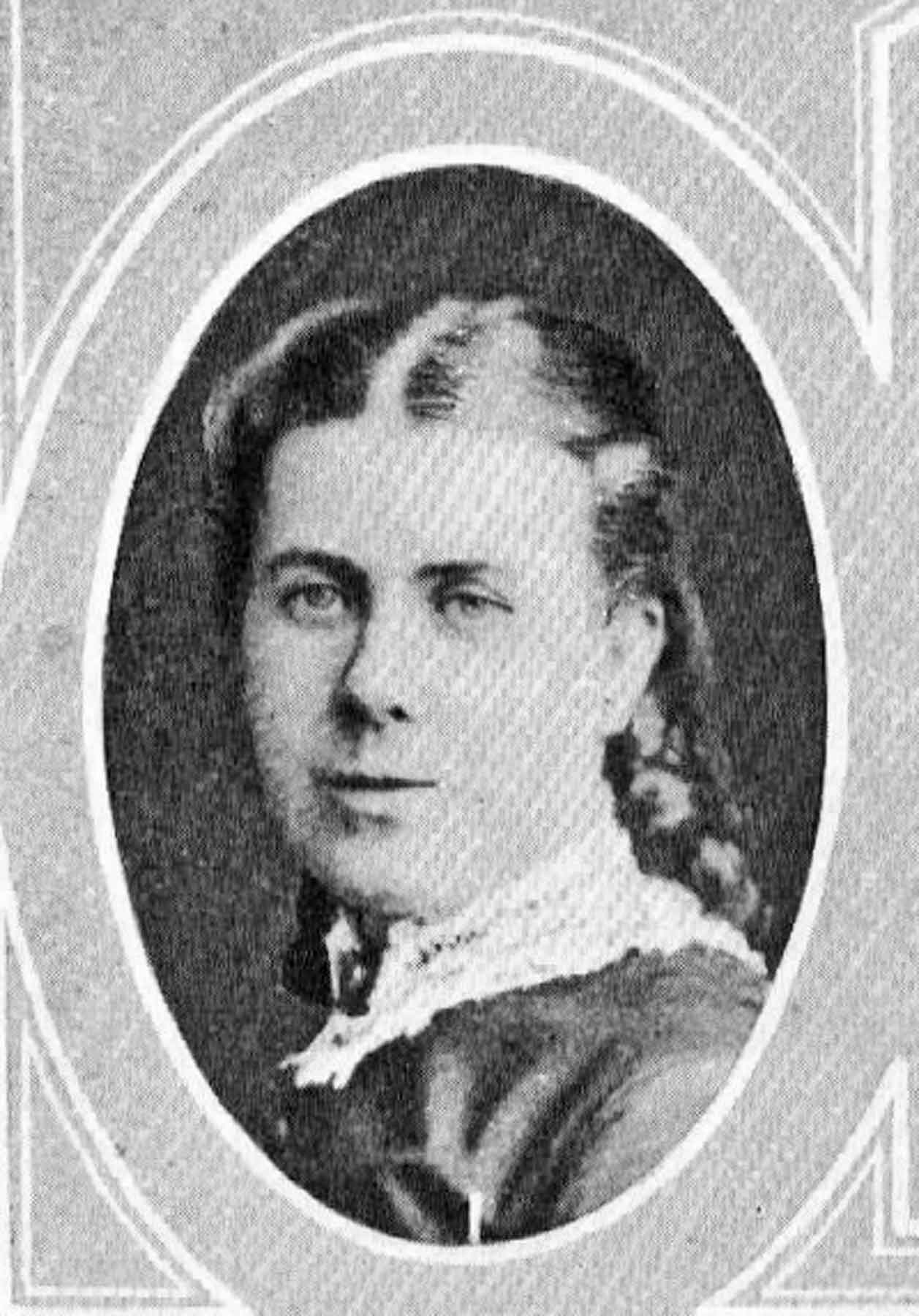
📖 Biography
The Ship She Missed
Grace Ciggie Stott (曹明道), born Grace Ciggie on March 12, 1845, was brought up by her grandmother in Glasgow; after her grandmother died, the sixteen-year-old was already an earnest Christian, with nothing left to hold her at home. She heard Hudson Taylor (戴德生) preach in Glasgow and resolved to go to China as a missionary, and she had already been accepted, but she fell ill just before departure. On the day the Lammermuir sailed with the first party of China Inland Mission workers, she was left behind on the dock. The chance had passed. Instead she began a local ministry in Glasgow's red-light district and threw herself into it.
A Letter Proposing Marriage
While she was busy with this work, a letter arrived from China. It was from George Stott (曹雅直), a young Scot she had once met, who was a missionary in Wenzhou and an unusual choice for the China Inland Mission: he had lost a leg, yet the mission had still accepted him. He had originally planned to take another woman with him to China, but her parents would not agree. In his letter he proposed to Grace, and she accepted. In 1870 she arrived in Shanghai on her birthday, the two were married, and from then on they served in Wenzhou as a team.
The Wenzhou Girls' School
George Stott ran a boys' school, and among its pupils there were already converts as well as some who had resolved to become preachers. Grace saw a practical problem: these young men would one day need wives, but there were no educated Christian women for them to marry. So in 1875 she founded a girls' school. The reason was simple, but it went to the heart of a real bottleneck in the growth of the Chinese church at the time.
Anti-Missionary Riots and Cholera
Hostility toward foreign missionaries ran deep in Wenzhou. On October 4, 1884, the properties of the missions in Wenzhou were completely burned down by a mob; George Stott was there at the time and narrowly escaped. During these years Stott, who was outspoken by temperament, came into growing tension with Hudson Taylor; he wrote letters of protest and offered his resignation. The China Inland Mission stopped sending new workers to his station and in the end parted ways with him. He later developed cancer, the couple returned to Scotland, and in 1889 he died in Cannes, France. Cholera, too, threatened them again and again: in August 1894 (by which time Grace had returned to Wenzhou alone; see the next section), cholera raged in the city of Wenzhou and hundreds died daily; Grace herself fell ill and was confined to bed for several weeks, and many at the school fell sick at the same time. The following summer cholera broke out again, and several China Inland Mission workers in Wenzhou died of it.
Return to Wenzhou
In February of the year after her husband's death, Grace went back to Wenzhou alone and was welcomed by the local believers. From then on she was in effect the head of the Wenzhou work and its schools, until 1895, when a new outbreak of anti-missionary trouble forced her to leave for a time. The church in Wenzhou was carried on in her hands. In 1909, twenty years after her husband's death, she finally left China. As early as 1897 she had already written up her first twenty-six years there as Twenty-six Years of Missionary Work in China, an important source for the study of early Christianity in Wenzhou. Later accounts of the founding of the Wenzhou church mostly give the credit to George Stott; but it was she who actually held it together and carried it on for twenty years.