💬 Famous Quotes
📋 Basic Information
📖 Biography
Medical Training and Calling
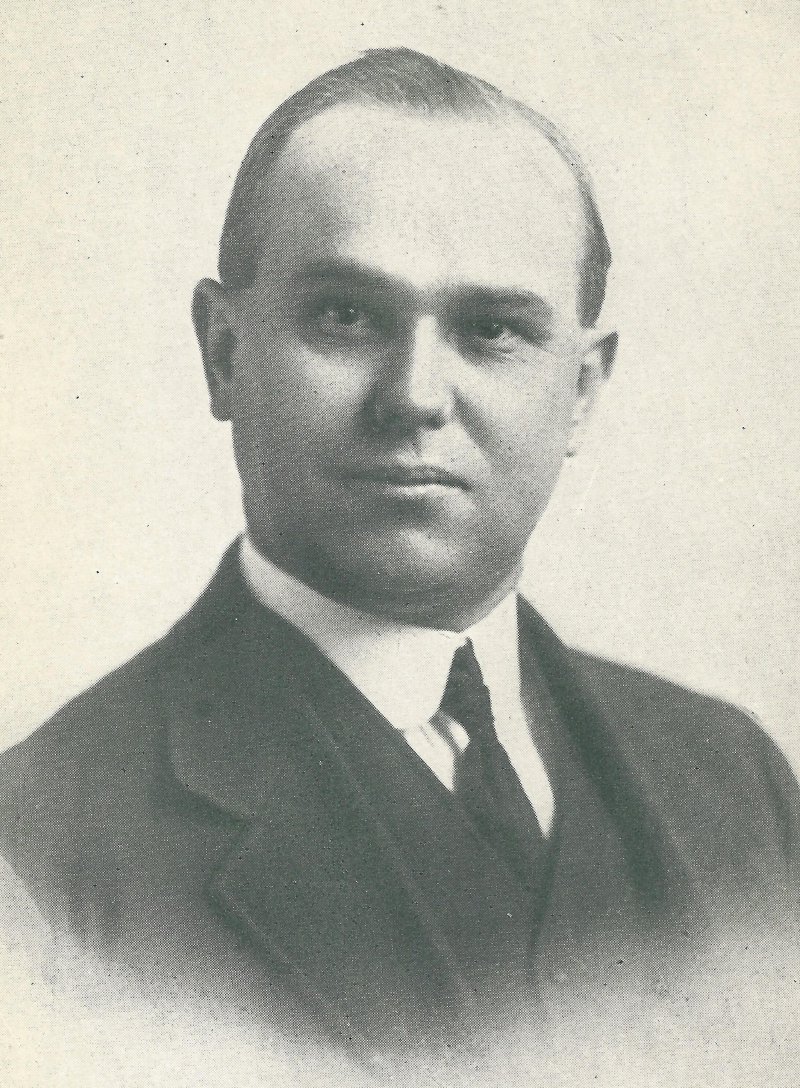
Albert Leroy Shelton (史德文) was born on 9 June 1875 in Indianapolis in the United States. As a small child he moved west with his family to Kansas, where they settled in turn in Bourbon, Harper and Grant counties, and he grew up on a farm. With a scholarship from Kentucky University (now Transylvania University), a school of the Disciples of Christ, he completed the medical course and graduated in 1903. That same year he and his wife, Flora Beal Shelton, were sent by the Foreign Christian Missionary Society of the Disciples of Christ, and on 29 September they sailed from San Francisco for China. Their goal was the Kham–Tibet region, where Western Protestant churches had at that time scarcely set foot.
From Tatsienlu to Batang
In March 1904 the couple reached Tatsienlu (now Kangding) in Sichuan, an important trading town on the border between Chinese and Tibetan lands and the gateway to Tibet. China Inland Mission missionaries had opened a station there as early as 1897. The Sheltons learned Tibetan and the Khampa dialect there and practiced medicine and gave out medicines. In 1908 he and the Ogden family crossed the Jinsha River and moved to Batang, deeper into Tibetan territory, where they set up the first Protestant mission station in the area. The Catholic Paris Foreign Missions Society had already worked in Batang for many years: Father Jean-André Soulié (苏烈) had worked there from 1886 and was killed in the Batang Incident of 1905. Batang lay on the main road between Sichuan and Tibet; local powers were tangled together, Han, Tibetan and Hui peoples lived side by side, and conflicts were frequent. For a foreign doctor to gain a footing here, what counted was not preaching but treating patients day after day.
Western Medicine in Kham
Shelton founded a hospital in Batang, one of the earliest Western medical institutions in Kham. In 1913 he returned to America on furlough, and on the way back he made a point of shipping a full set of hospital equipment, including hospital beds, an operating table and medicines. He performed surgery on Tibetans and treated smallpox and eye diseases, and he also saw passing merchants, soldiers and monks, never asking about their ethnicity or faith. Besides the hospital, he took in orphans, opened schools, and set about training local medical staff, hoping the medical work would carry on after he left. He and his wife also collected a large number of religious objects, garments and everyday articles from the Tibetan region; two collections, in 1910 and 1921, went to the Newark Museum in the United States, becoming early material sources through which the West came to know Khampa culture.
A Mediator in Troubled Times
In the late Qing and early Republican years the Sichuan frontier was in turmoil: the replacement of native chieftains by appointed officials, the 1911 Revolution, warlord fighting and conflicts between Han and Tibetans came one after another. Because of his medical skill and his fairness, Shelton was respected among Tibetans, lamaseries, local chieftains and Han officials alike. He was asked many times to mediate conflicts, escort hostages and carry messages for peace talks; he once went in person to Chamdo to negotiate a ceasefire with the Tibetan side. He also wrote to the 13th Dalai Lama and received a reply, which he said was the only letter the Dalai Lama had ever written to a missionary. Yet in his whole life he never reached Lhasa. All this took him far beyond the role of a medical missionary, but it also placed him in the whirlpool of the rival powers of the frontier.
Death in Kham
On 16 February 1922 Shelton left Batang for Markam, intending to go deeper into Tibet. A few miles outside Batang he was ambushed by bandits and shot, and he died the next day, aged forty-six. His death shook all of Kham; Tibetans and Han together attended his funeral, and he was buried in Batang. The hospital and school he left in Batang were carried on by his co-workers. His books Pioneering in Tibet (1921) and the posthumously published Tibetan Folk Tales (1925), together with a long article published in National Geographic in 1921, brought the land and people of the Khampa plateau before Western readers. Among the many missionaries in this database, he is one of the few who gave his whole life to the Tibetan region and in the end died there.