Not sure where to start?
Try our reading paths — books in order, with a guide for each step(5)→

Mere Christianity grew out of the radio talks C.S. Lewis was invited to give on the BBC during the Second World War, presenting the faith held in common by Christians across the denominations. Lewis sets out the heart of that faith with warmth and clarity. It is widely regarded as his most popular book and one of the most important religious works of the twentieth century.
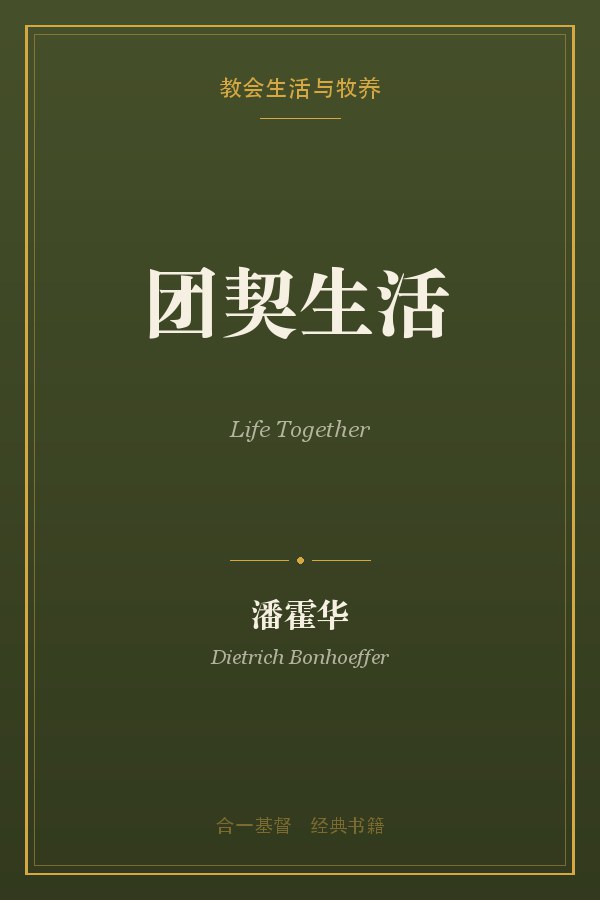
Written in 1938 after the Gestapo closed Bonhoeffer's underground seminary at Finkenwalde: Christian community as God's gift rather than our ideal — the day together, the day alone, ministry to one another, confession and communion.
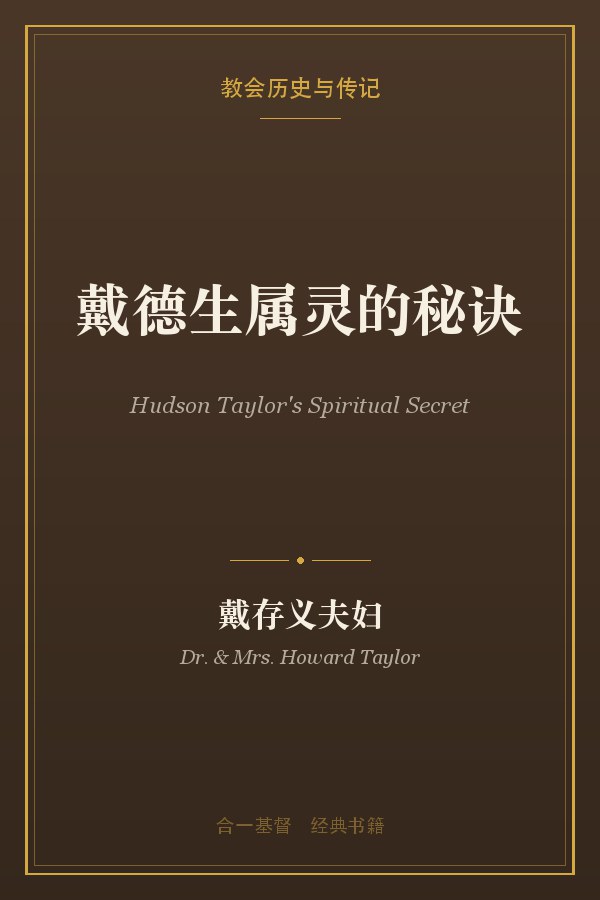
Written by Hudson Taylor's son and daughter-in-law (1932). Rather than recounting the China Inland Mission's achievements, it traces the secret of Taylor's rest and joy: his 1869 discovery of "the exchanged life" of abiding in Christ.
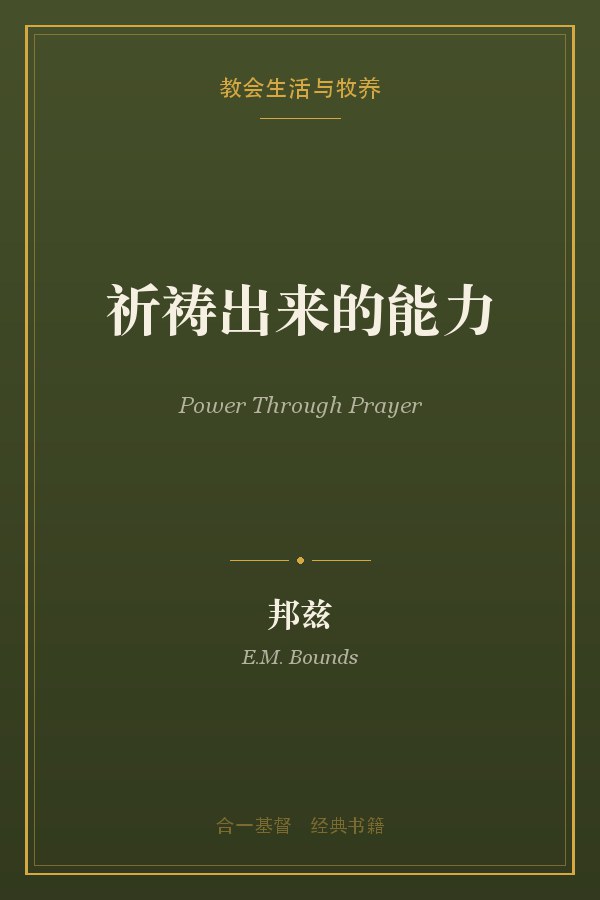
E.M. Bounds (1835–1913), Methodist pastor and former Civil War chaplain, famed for his early-morning prayer. Power Through Prayer (1907) insists that the power of preaching lies not in method or eloquence but in the praying life of the preacher. Chinese translation by Philip Teng.
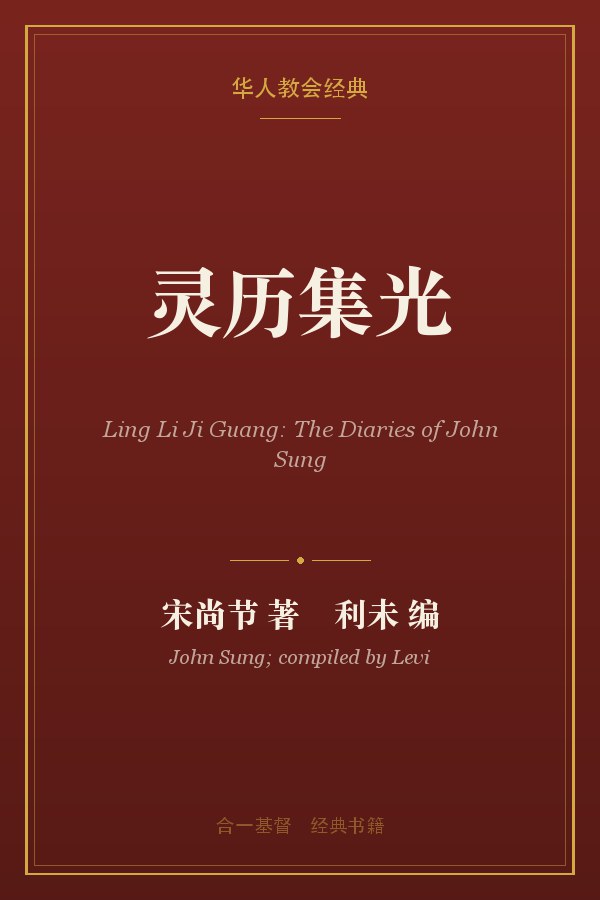
Compiled from the forty-odd surviving diaries of John Sung (1901–1944), China's great revivalist, together with his two dictated memoirs — My Testimony (1901–1931, recorded by Wang Minxue, 1933) and Looking Back on the Work (1931–1938, recorded by Zheng Suilan) — and his letters and hymns. Sung himself proposed the title in his diary in 1932. An intimate record of his inner life, through to his final night in 1944.
J.C. Ryle (1816–1900), first Bishop of Liverpool, on the duties of Christian parents (1888): from Proverbs 22:6, plain and searching counsel on training children in the way they should go — with patience and love, in Scripture and prayer, by example, and with constant prayer for them.