Not sure where to start?
Try our reading paths — books in order, with a guide for each step(5)→


The Westminster Confession of Faith is a classic statement of Christian theology. It was drafted over some three years of debate by more than a hundred ministers and theologians of the Westminster Assembly in England, and completed in December 1646. It remains one of the most influential confessions of the Reformed and Presbyterian churches, widely admired for its clarity, depth, precision and comprehensiveness.
The Westminster Shorter Catechism was produced by the Westminster Assembly in England in 1647. It serves both as a guide for teaching children and new believers and as one of the best introductions to theology for any Christian. Arranged according to the inner logic of Christian doctrine, it is one of the doctrinal standards of the Reformed churches.
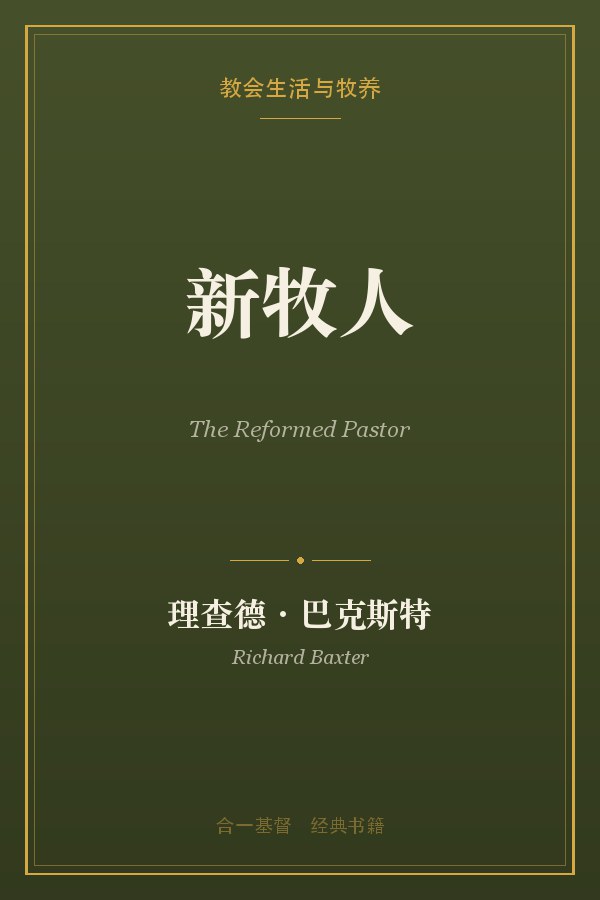
Baxter's charge to ministers (1656) on Acts 20:28: first guard your own soul, then the flock — above all through personal, household-by-household catechising, as he practised in Kidderminster. "Reformed" means renewed, not a denomination.
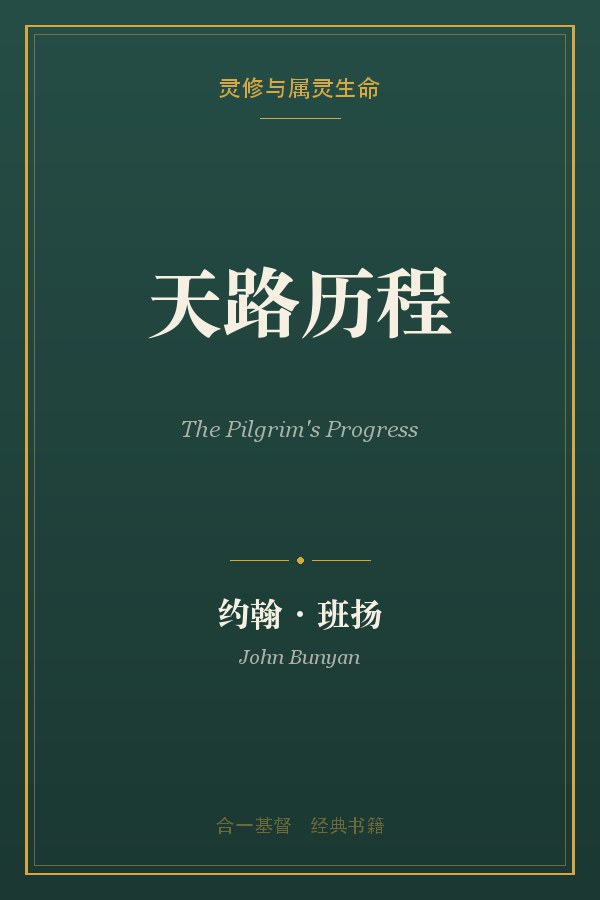
Written by a tinker imprisoned for preaching, the great allegory of the Christian life (1678; part two 1684): Christian flees the City of Destruction, loses his burden at the cross, and passes Vanity Fair and Doubting Castle to the Celestial City. First translated into Chinese in 1853.
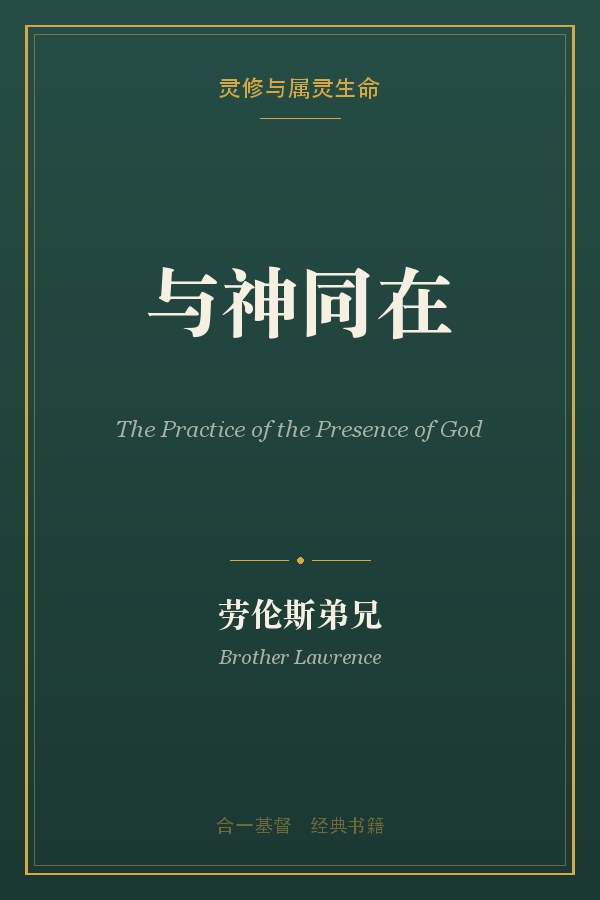
The conversations and letters of Brother Lawrence, a lay brother who worked for many years in a Paris monastery kitchen, gathered after his death. A short classic on practising God's presence in every ordinary moment, cherished by Catholics and Protestants alike.