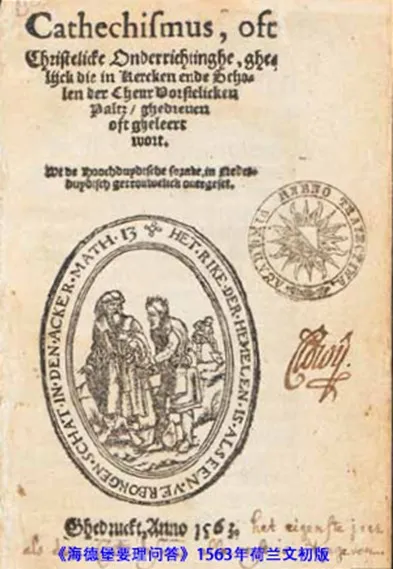
The Heidelberg Catechism was written in Heidelberg in 1563 at the request of Elector Frederick III (r. 1559–1576), ruler of the Palatinate, the most influential German territory of its day. This devout prince commissioned Zacharias Ursinus, then just 28 and professor of theology at the University of Heidelberg, and Caspar Olevianus, his 26-year-old court preacher, to prepare a catechism for instructing the young and for guiding pastors and teachers. The whole theological faculty was consulted in its preparation, and it was adopted by a synod in Heidelberg the same year.

The Westminster Shorter Catechism was produced by the Westminster Assembly in England in 1647. It serves both as a guide for teaching children and new believers and as one of the best introductions to theology for any Christian. Arranged according to the inner logic of Christian doctrine, it is one of the doctrinal standards of the Reformed churches.